
START WITH THE NUMBER
For a typical house inspection and written report, budget about $350–$900.
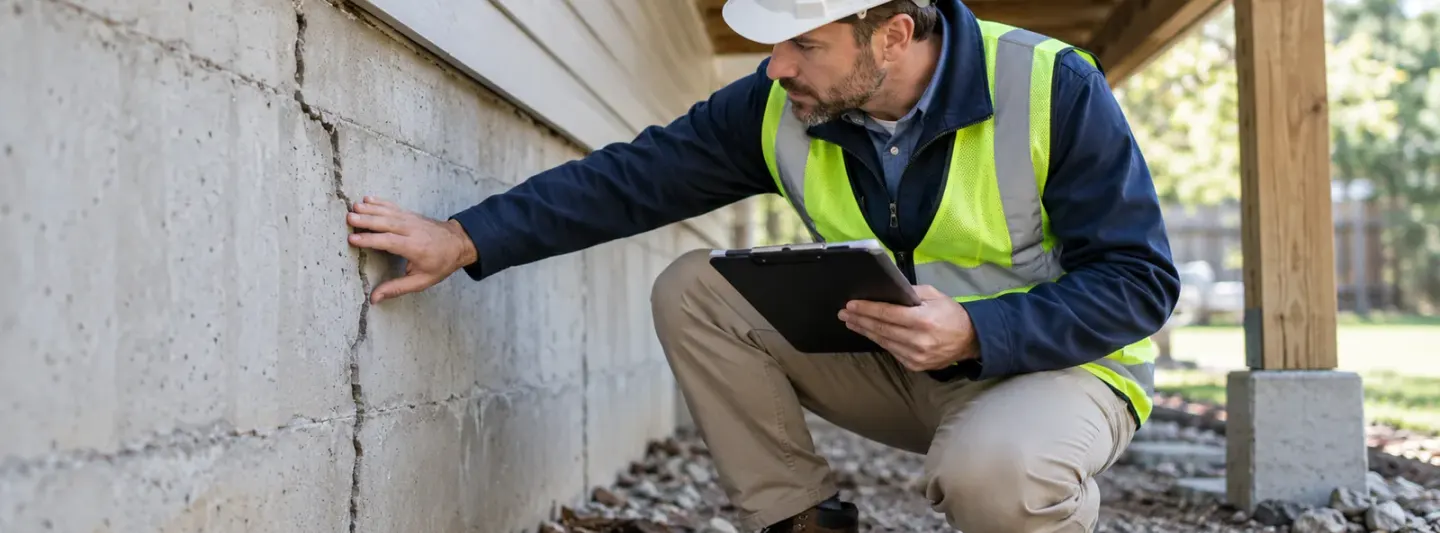
Imagine you've been told a crack in the foundation could mean a $15,000 repair. You don't know whether that number makes sense, and you don't want the same company that sells the repair to be your only source of advice. This is where a structural engineer can help.
HomeGuide lists $350–$900 for a residential structural inspection with a report. Angi's August 2026 guide puts a typical structural report around $350–$800, with some involved foundation investigations reaching $1,200 or more. They describe different project mixes, so these numbers are useful guides rather than a single guaranteed national price.
These fees pay someone to assess the problem. They do not pay for concrete work, steel supports, a new beam or a contractor's repair. They also don't necessarily include engineered plans. That distinction matters more than the exact dollar figure on a website.
“Is the quoted price for a site visit and a written report that explains what you found—and what happens if I need a repair plan?”
DON'T START WITH THE WORST-CASE SCENARIO
Does every crack mean you need an engineer?
No. Houses move a little, building materials change with temperature and moisture, and some small cracks are only cosmetic. A crack by itself doesn't tell you how serious the problem is. What matters is the pattern, whether things are changing, and what else is happening nearby.
A crack is growing or several things are moving together
A widening crack, a door that suddenly won't close and a visibly sloping floor are more concerning together than any one clue alone. An engineer can assess whether the building's support system is moving and what may be causing it.
You're removing a wall or changing a beam
A contractor may know how to build the new opening, but someone still needs to confirm what supports the weight above it. The inspection may lead to calculations and drawings, which usually cost more than an ordinary home visit. See our load-bearing wall removal guide.
You're buying a house with a questionable inspection result
A general home inspector may flag a bowing wall or sagging floor and recommend specialist advice. That doesn't mean the house is unsafe—or safe. It means the home inspection didn't answer the structural question. InterNACHI's inspection standards explain that a general inspection isn't a detailed engineering investigation.
If a wall has suddenly shifted, part of a floor is failing, or you see a serious new structural change, keep people away from the affected area and seek urgent qualified local help. Don't rely on an online price guide to decide whether it's safe to remain there.
WHAT THE ENGINEER ACTUALLY DOES
Expect questions, measurements and a careful look—not an instant verdict from the driveway.
For a normal residential visit, the engineer will usually ask when you first noticed the problem and whether it has changed. They may examine the foundation, walls, basement or crawl space, floors and the parts of the roof or framing that relate to your concern. They may take photographs, measurements and notes.
Not every visit covers every room. If you book someone to inspect one foundation wall, don't assume their fee includes an opinion on the entire house. Tell them everything you've noticed when you arrange the appointment, and ask what areas they will need access to.
Describe the concern
Share photos, any earlier inspection report and details such as when the crack appeared.
Check what is visible
The engineer looks for patterns and possible causes, not just the biggest crack.
Get the findings
Ask for the promised written report and the recommended next step, if any.
There's an important limit here: a visual inspection cannot see through concrete or behind finished walls. An engineer may recommend further investigation if the visible evidence isn't enough. Soil testing, opening a wall or more detailed design work are not automatically part of the inspection fee.
THE DELIVERABLE THAT MAKES THE VISIT USEFUL
A good report should help you make the next decision.
Don't assume “inspection” means you will automatically receive a detailed document. Some firms offer a verbal consultation, others include a short letter, and others quote separately for a longer written assessment. Ask which one you're buying before the appointment.
- The area inspected. For example, the east foundation wall and the first-floor framing above it.
- What the engineer observed. Descriptions, important measurements and relevant photos where appropriate.
- What the observations may mean. Whether the issue needs monitoring, more investigation or repair.
- What to do next. A practical recommendation and any limits or unresolved questions.
- Who prepared it. Name, qualifications and any signed or sealed documentation required for your purpose.
If you need the report for a real-estate negotiation, an insurer, a permit or a lender, say so at the start. Those uses can require particular wording, a professional seal or additional design work. The right report for a concerned homeowner may not be the report a building department needs.
An independent assessment can also give two repair contractors the same starting point. If each contractor is quoting a different solution, you can ask both to price work that actually addresses the engineer's findings instead of comparing two unrelated proposals.
WHY A $500 CALL CAN TURN INTO A BIGGER ENGINEERING BILL
An inspection, a drawing and a repair are three different purchases.
Say you want to remove a wall between your kitchen and living room. The engineer may first inspect the house and then design a replacement beam. The drawing and calculation work is not the same thing as the initial visit—and neither pays the contractor to install the beam.
| Service | Published cost | What you're paying for |
|---|---|---|
| Home structural inspection with report | $350–$900 | On-site review and findings |
| Foundation-focused inspection | $300–$750 | A closer look at a specific foundation concern |
| Engineer time when billed hourly | $100–$220/hour | Extra consultation or work beyond a flat-fee visit |
| Engineering plans or drawings | $500–$3,000 | Design documents for a repair or renovation |
These four published ranges are from HomeGuide. They describe different ways of buying engineering services; do not add all four rows together. A custom design or complex investigation may exceed these figures.
Other possible extras include a return visit, more measurements, a sealed letter, permit-related documentation or work by another specialist. What applies depends on the job and local rules. Rather than guessing what each will cost, ask for the price and written approval before additional work begins.
TWO EVERYDAY DECISIONS, NOT REAL CUSTOMER INVOICES
What would you actually budget in these situations?
You're worried about a crack in the basement.
You book a focused inspection for an assumed flat fee of $550, with a short written report included. The engineer examines the accessible area and explains whether monitoring or further assessment is appropriate. The $550 is an example within published inspection ranges, not a real quote.
If the engineer later recommends piers, a new beam or crack repairs, those are separate costs. Our foundation crack repair cost guide explains the repair side of the decision.
You want to remove a wall, not just inspect it.
For illustration, suppose an engineer charges $500 for a visit plus $1,150 for calculations and a simple drawing, for a combined $1,650. Those amounts are hypothetical, not a contractor's itemized bill. The engineering design remains separate from demolition, framing and permits.
Before treating this as a bargain or an expensive offer, ask which plans your local building department requires and whether those deliverables are included.
Notice what the examples have in common: you can't evaluate a quote without knowing what you will receive. A cheaper verbal opinion may be enough for one conversation but not for a mortgage, permit or major structural repair.
ONE CALL CAN SAVE A SECOND APPOINTMENT
Six things to ask before you hire anyone
1. Are you licensed for the work in my state? Engineering licensing and structural practice rules vary. Use your state engineering board through NCEES to verify the professional and ask whether their experience matches the problem.
2. Are you independent of the repair contractor? Independence isn't a legal requirement for every job, but a separate opinion can be valuable when a repair company is recommending expensive work it will also sell.
3. Is the fee fixed, and what is included? Get the visit, travel, accessible areas and report format confirmed in writing.
4. Will I receive findings I can share? Ask for a report or letter, delivery date and whether you can use it to request competing repair quotes.
5. What happens if further testing is needed? Request approval before hourly work, a second visit or a separate design is added.
6. Is the document suitable for my purpose? A real-estate purchase, an insurance question and a structural permit may call for different deliverables.
After the report, the next step might be minor monitoring, a targeted repair or a larger foundation plan. If the engineer recommends major underpinning, our foundation underpinning cost guide explains why the price of installation can be so different from the price of the inspection.
For an ordinary house inspection and report, $350–$900 is a reasonable published U.S. budgeting reference. Before paying, make sure the engineer will answer the question you actually have. The useful outcome is not a dramatic diagnosis; it's a clear, documented next step.
HOW WE CHECKED THIS GUIDE
Sources and limitations
This guide uses published national U.S. price references, not quotes collected for your home. HomeGuide and Angi describe different samples and service scopes. They help you plan a budget but cannot replace an engineer's written proposal. The two budget examples above are deliberately hypothetical.
- HomeGuide — Structural Engineer Cost. Inspection/report, foundation-focused, hourly and drawings pricing.
- Angi — How Much Does a Structural Engineer Cost? (updated August 3, 2026). Residential inspection fees and cases that require broader investigations.
- InterNACHI — Home Inspection Standards of Practice. The limits of a general home inspection compared with a specialized assessment.
- NCEES — Member Licensing Board Directory. How to find the relevant state licensing board.
Editorial references checked October 17, 2026. Publication date shown is a proposed calendar slot and must be updated if the schedule changes. Contact local authorities and qualified professionals for structural safety and document requirements.